
Affiliate Disclosure: When you click on links to various merchants on this site and make a purchase, this can result in this site earning a commission. Affiliate programs and affiliations include, but are not limited to, the eBay Partner Network.
Jan 13, 2026 • K-Beauty
The Global Korean sunscreen Phenomenon: Why It's the New Skincare Essential
From the US to Europe, Korean sunscreens are becoming essential. Explore the latest trends, ingredients, and how to choose the perfect one for your skin.
Korean sunscreens have transcended borders, evolving from a niche beauty secret to a global skincare staple that Gen Z and skincare enthusiasts everywhere swear by.
Find your perfect sunscreen here.
The Global Phenomenon of Korean sunscreen: Why It’s the Ultimate Skincare Essential
The Rise of a Global Beauty Powerhouse
In recent years, major media outlets like the New York Times have highlighted the explosive growth of K-Beauty, specifically focusing on sun protection. What was once a secondary step has become the foundation of a healthy routine. Data from major retailers shows a massive surge in international demand, as consumers move away from heavy, greasy formulas toward the elegant textures pioneered in Korea.
2025 Sun Care Trends: Light, Frequent, and Smart
The trend for 2025 is all about "invisible" protection. We are seeing a shift where sunscreens are no longer just for the beach but are integrated into daily life.
- Daily Habit: Sunscreen is now viewed as the final step of moisturizing.
- Hybrid Formulas: Products that combine the benefits of primers and tone-up creams.
- Texture Innovation: From watery gels to weightless fluids that leave zero white cast.
Texture and Finish
Modern formulas prioritize a "skin-like" finish. Whether you prefer a dewy glow or a soft matte look, the goal is to feel like you aren't wearing anything at all.
The Competitive Edge: Ingredient Science
Korean brands excel at blending high-tech UV filters with traditional skin-soothing ingredients. This dual-action approach ensures protection while actively improving skin health.
Soothing and Hydrating Ingredients
Ingredients like Centella Asiatica (Cica), Propolis, and Rice Extract are common. These help to calm irritation and provide deep hydration, making the formula feel more like a premium serum than a traditional sunblock.
Regional Strategies: Meeting Global Needs
Korean brands adapt their formulations to suit different climates and skin concerns across the globe.
- North America: A focus on high hydration for users of Retinol or AHAs.
- Southeast Asia: Lightweight, sweat-resistant gels for hot and humid weather.
- Europe: Formulas that emphasize "skin barrier protection" alongside UV defense.
The All-Day Routine: Usage Scenarios
Sunscreen isn't just a "one and done" application. To maintain the "glass skin" look, how you apply it matters.
- Morning: Use a tone-up or primer-integrated sunscreen for a natural, "no-makeup" look.
- On-the-go: Sun sticks and cushions are perfect for reapplication without messing up your makeup.
- Evening: Always double-cleanse to ensure all filters and impurities are removed before your night routine.
The Reapplication Habit
Reapplying every 2-3 hours during peak sun exposure is the gold standard for anti-aging. Portable formats like sticks make this effortless.
How to Choose Your Perfect Match
When shopping online, look beyond just the SPF number.
- Skin Type: Dry skins benefit from creamier textures; oily skins should seek out "sebum-control" or "watery" labels.
- Finish: Look for "no-sebum" for matte or "waterfull" for a glowy finish.
- Sensitivity: Check for "reef-safe" or "hypoallergenic" certifications if you have reactive skin.
How to Read SPF Labels
SPF measures UVB protection (burning), while PA (the plus signs) measures UVA protection (aging). In K-Beauty, SPF 50+ PA++++ is the standard for maximum defense.
Sustainability and Ethical Choices
The next generation of consumers demands more than just efficacy. They want ethics.
- Reef-Safe: Formulas that exclude oxybenzone and octinoxate to protect marine ecosystems.
- Vegan & Cruelty-Free: A growing number of brands are obtaining certified vegan status.
- Eco-Packaging: Recyclable tubes and refillable cushions are becoming the norm.
Common Mistakes to Avoid
- Under-applying: You need about a nickel-sized amount for the face alone.
- Skipping Cloudy Days: UV rays penetrate clouds; daily application is non-negotiable.
- Using Expired Products: UV filters degrade over time; individual results may vary if the product is past its prime.
FAQ
Q: Can I use sunscreen instead of a moisturizer? A: Yes, many Korean sunscreens are formulated with enough hydrating ingredients to replace your morning moisturizer, especially for oily skin types.
Q: Will it leave a white cast on darker skin tones? A: Most modern chemical (organic) or hybrid Korean sunscreens are designed to be completely transparent.
Q: Do I really need to double cleanse? A: Yes, to fully remove water-resistant filters and prevent clogged pores, a cleansing oil followed by a water-based cleanser is recommended.
Q: Is SPF 50 necessary for indoor use? A: While SPF 30 is often sufficient for indoors, many prefer the extra peace of mind and the superior textures found in SPF 50+ K-Beauty products.
Conclusion
The rise of the Korean sunscreen is not just a trend; it's a shift toward healthier, more proactive skincare. By choosing a formula that fits your lifestyle and skin type, you can enjoy the sun while maintaining that coveted healthy glow.
Related Products
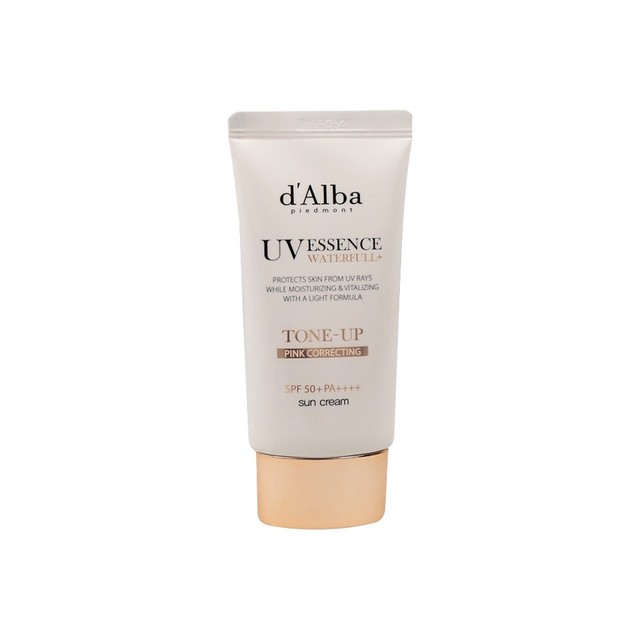
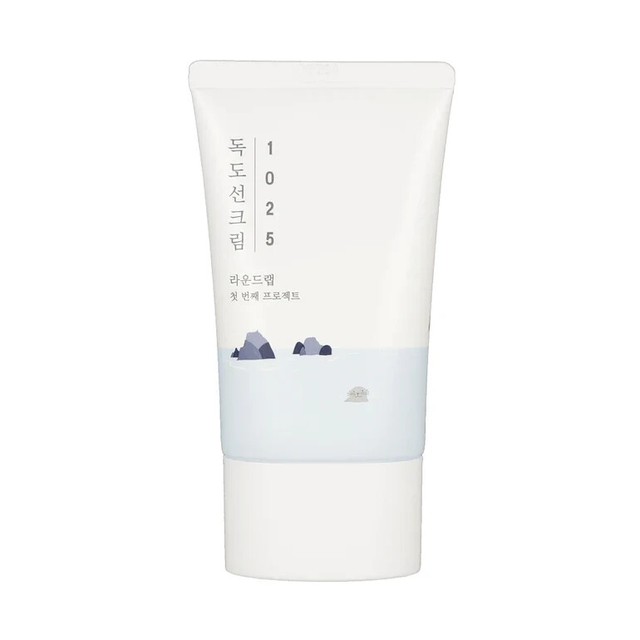


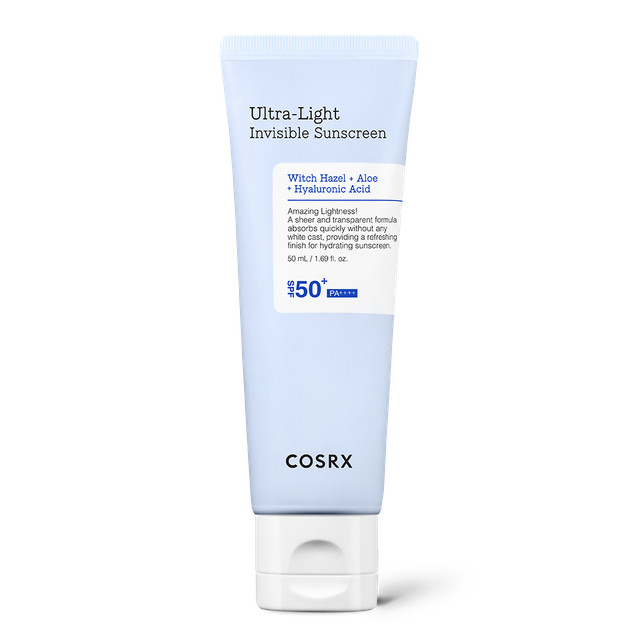

Dr. Glow
ShopKoreaOnline Contributor
Join the Community
Get the latest K-Trends, exclusive deals, and Seoul vibes delivered straight to your inbox.