
Affiliate Disclosure: When you click on links to various merchants on this site and make a purchase, this can result in this site earning a commission. Affiliate programs and affiliations include, but are not limited to, the eBay Partner Network.
Jan 30, 2026 • K-Food
The Secret Behind the K-Food Craze: Korean instant noodles and Tteokbokki
Discover how Nongshim is leading the global K-food trend with innovative products like 'Saengsaeng Flat Tteokbokki Noodles' and classic favorites.
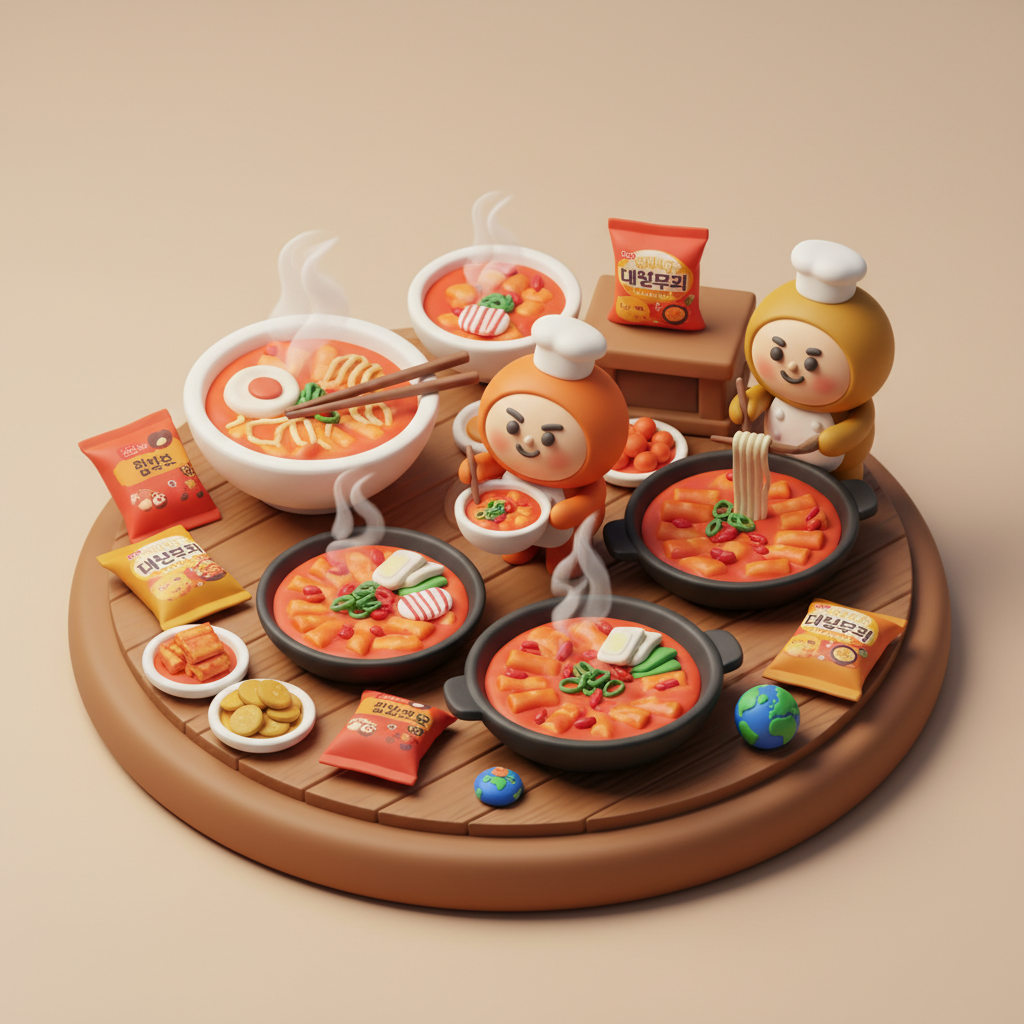
Dive into the world of spicy, chewy, and addictive flavors that are taking the world by storm through the lens of authentic Korean snacks.
Find your favorite Korean instant noodles here!
Exploring the Global Craze for Korean instant noodles
Welcome to Seoul Bites! If you've been scrolling through social media lately, you've probably seen the vibrant red broth and the satisfying "slurp" of someone enjoying a steaming bowl of ramen. Today, we're looking at how brands like Nongshim are turning simple convenience food into a global lifestyle.
Nongshim’s Role in the K-Food Wave
Nongshim isn't just a food company; it's a cultural ambassador. By bringing the "taste of Korea" to over 100 countries, they've made spicy broth a universal language. Their strategy focuses on authenticity—never watering down the bold flavors that Koreans love, but making them accessible through high-quality instant packaging.
The Tteokbokki-Ramen Hybrid Trend
The latest star in the lineup is the Saengsaeng Flat Tteokbokki Noodles. This product bridges the gap between traditional street food (Tteokbokki) and the convenience of ramen.
- Texture: The flat, wide noodles mimic the chewiness of rice cakes.
- Flavor: A perfect balance of spicy, sweet, and savory "umami."
- MZ Generation Appeal: It's photogenic and highly customizable, making it a hit on TikTok and Instagram.
Why the World Loves Korean Ramen
What sets these noodles apart from others? It's the combination of three key elements:
- The Heat: A complex spiciness that builds rather than just burns.
- The Texture: Chewy, "al dente" noodles that don't get soggy easily.
- The Variety: From black bean sauce (Jjajang) to creamy carbonara flavors.
Understanding the Spice Scale
Before you dive in, know your limit!
- Level 1 (Mild): Jjajang or Snack Ramen.
- Level 3 (Medium): Classic Shin Ramyun.
- Level 5 (Fire): Buldak Spicy Chicken series. (Warning: Very Spicy!)
Home-Cafe Hack: The 2-Minute Creamy Upgrade
Want to eat like a local? Try this simple hack to make your spicy noodles extra luxurious.
- Boil: Cook your noodles with 50ml less water than instructed.
- Add Cream: When 1 minute remains, add a splash of milk and a slice of American cheese.
- Finish: Stir until the cheese melts into a glossy, creamy sauce that coats every strand.
Choosing Your First Korean Ramen
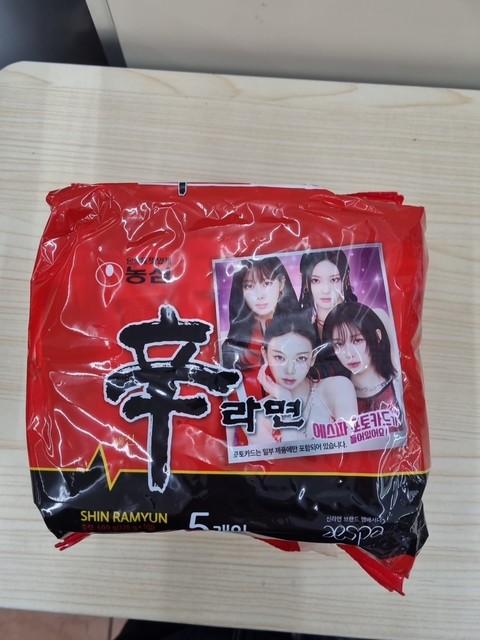
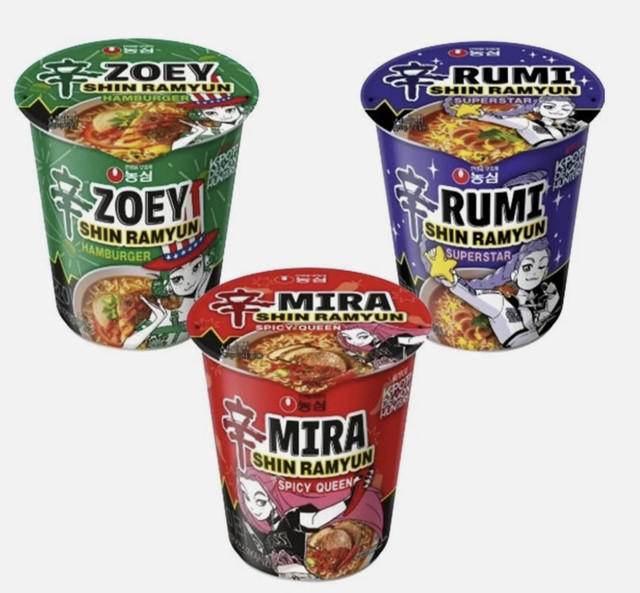
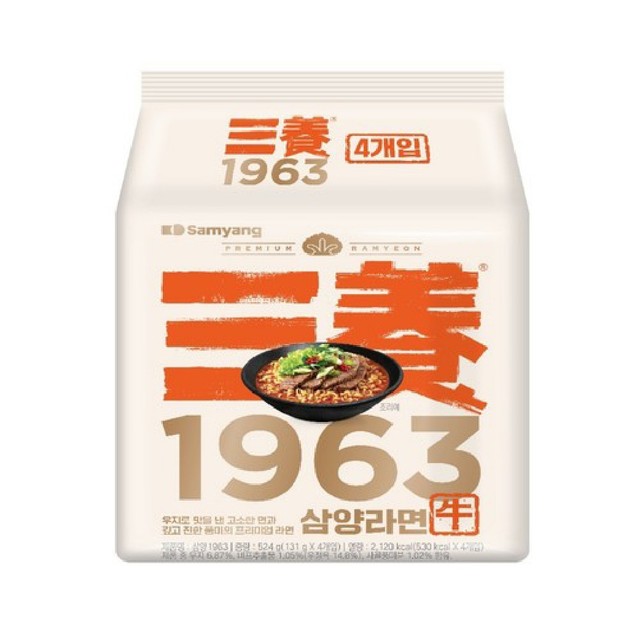
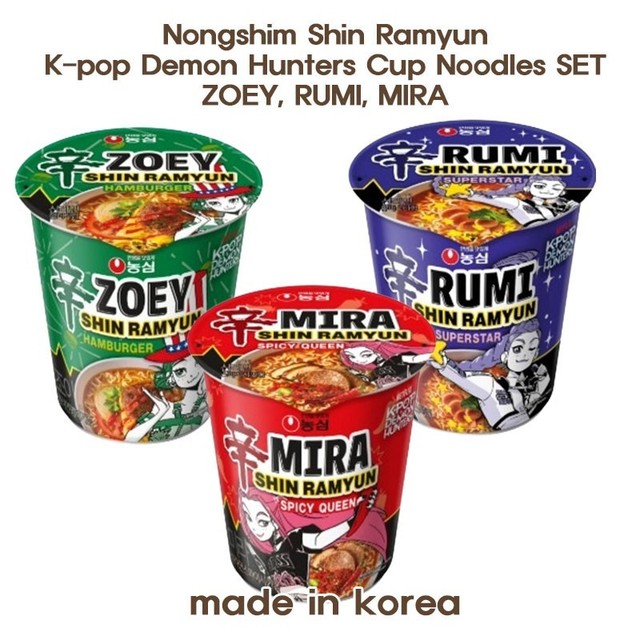
If you are new to the world of K-noodles, start with the classics. The Samyang 1963 Original offers a nostalgic, ham-infused broth that isn't too spicy. For those who want the "K-Pop" experience, look for limited editions like the aespa or Demon Hunters series which often feature collectible packaging and enhanced flavors.
The Future of K-Food Convenience
We are moving beyond just "instant" to "Home Meal Replacement" (HMR). This means higher quality ingredients, dried vegetables that actually look like vegetables, and sauces that taste like they've been simmering for hours. Nongshim is leading this premiumization, ensuring that eating at home feels like a restaurant experience.
Common Mistakes to Avoid
- Too much water: Korean noodles are designed for a concentrated, flavorful broth. Stick to the line!
- Overcooking: Nobody likes mushy noodles. Stop boiling when they still have a slight "bounce."
- Ignoring the toppings: A simple green onion or a soft-boiled egg can transform a $2 meal into a feast.
The Ultimate K-Snack Routine
To truly enjoy the experience, pair your spicy noodles with something sweet or crunchy. A side of yellow pickled radish (Danmuji) or a cold glass of peach iced tea balances the heat perfectly.
FAQ
Q: Are Korean noodles vegetarian? A: Many contain beef or seafood extract. Always check the label for "Vegan" certified versions like Soon Veggie Ramyun.
Q: Why are the noodles so yellow? A: This is often due to the addition of riboflavin (Vitamin B2) or specific wheat blends designed for chewiness.
Q: How do I reduce the spice? A: Use only half the sauce packet and add a spoonful of peanut butter or heavy cream.
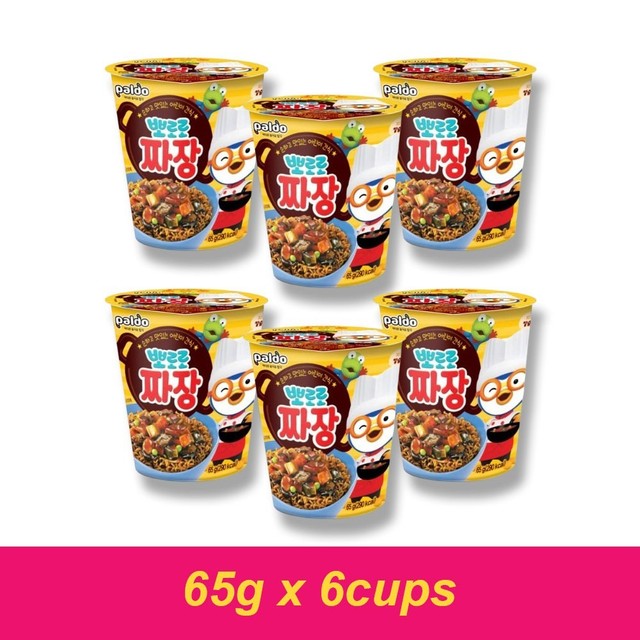
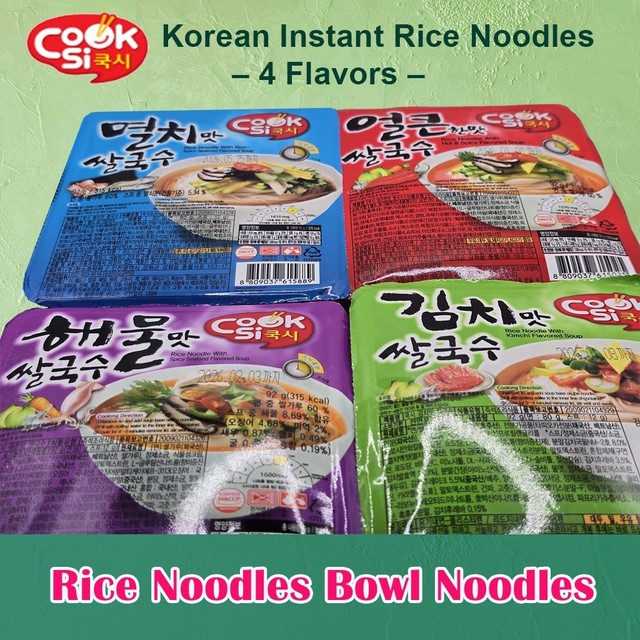
Q: Can kids eat these? A: We recommend the Pororo Jjajang or mild rice noodles for children as they are non-spicy and fun to eat.
Conclusion
Korean food is more than just a meal; it's an experience of bold textures and heartwarming heat. Whether you're trying a classic Shin Ramyun or the new flat Tteokbokki noodles, you're participating in a global culinary movement.
Related Products




Seoul Bites
ShopKoreaOnline Contributor
Join the Community
Get the latest K-Trends, exclusive deals, and Seoul vibes delivered straight to your inbox.